Practice Habits That Build Real Skill (and Keep It)
A permit class is a beginning. Steady, structured, safe practice is what turns knowledge into dependable skill.
Skills fade. That is true of a second language, a musical instrument and a golf swing, and it is equally true of safe, competent firearms handling. Many permit holders complete their required course, qualify, and then rarely practice again. The good news is that maintaining and building skill does not require endless range time or a large budget. It requires consistency, structure and an unwavering commitment to safety.
Safety rules are the foundation of every session
Every practice session, whether at a range or at home, begins and ends with the universal safety rules that instructors teach in some form:
- Treat every firearm as if it is loaded.
- Never point the muzzle at anything you are not willing to destroy.
- Keep your finger off the trigger until your sights are on the target and you have decided to fire.
- Be sure of your target and what is beyond it.
These rules overlap on purpose, so that a single lapse does not lead to tragedy. Follow all of them, all the time, including when you are certain the firearm is unloaded.
Short and frequent beats long and rare
Learning research across many fields points the same direction: regular, shorter practice sessions tend to build and retain skills better than occasional marathon sessions. A focused range trip with a clear plan can do more good than a long, aimless afternoon of putting holes in paper. Fatigue degrades technique, and practicing tired can reinforce bad habits.
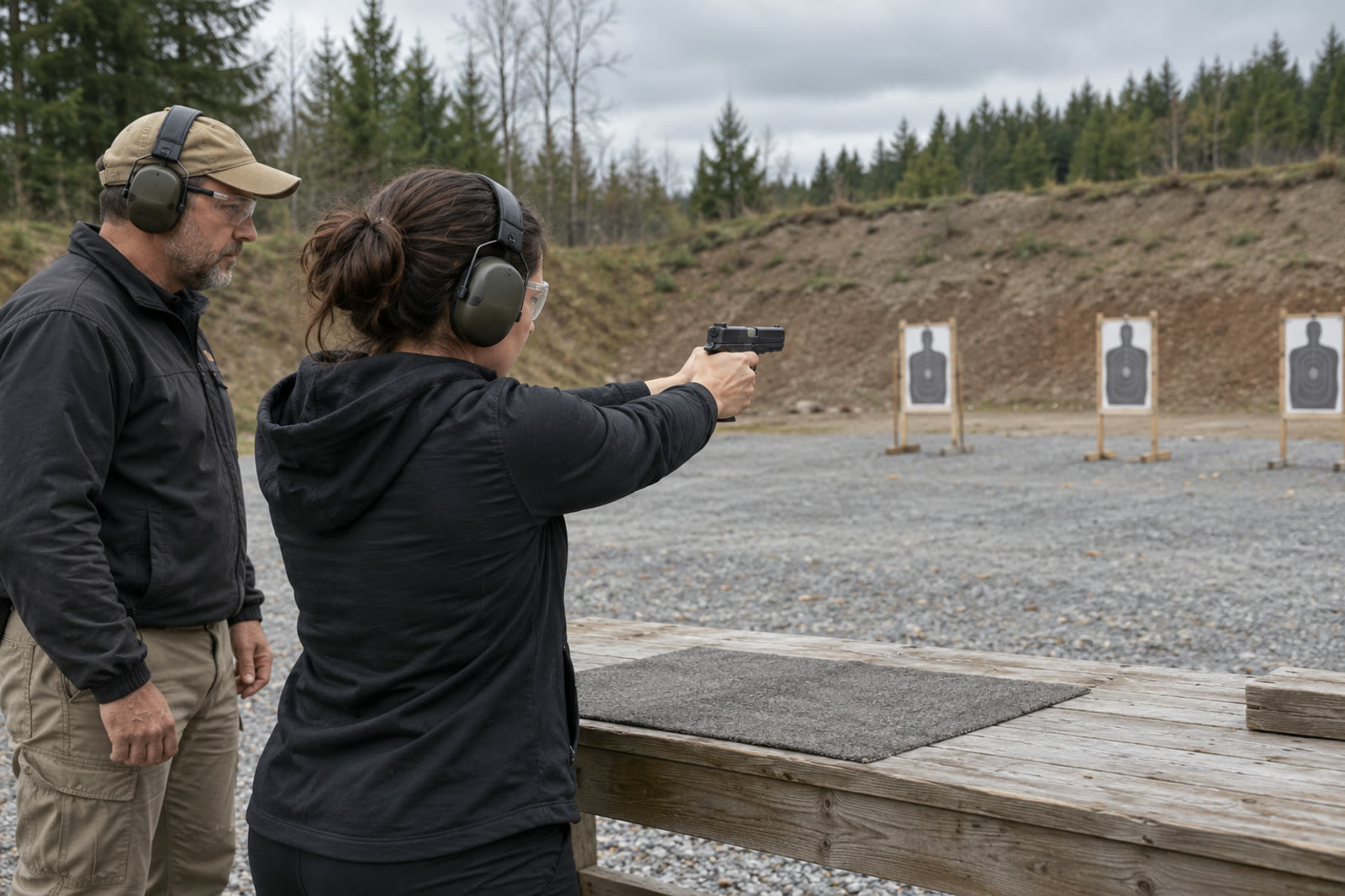
Bring a plan to the range
Before you go, decide what you will work on. A simple session plan might look like this:
- Warm-up: slow, careful shots focusing on sight alignment and smooth trigger press.
- Skill focus: one area per session, such as the draw (where the range permits it), reloads or follow-up shots.
- Measure: a short, repeatable drill you can track over time. Write down the results.
- Finish well: end with a few slow, accurate shots so your final repetitions are good ones.
Keep a simple training log noting the date, what you practiced, what went well and what to work on next. Over months, the log shows progress and keeps you honest.
Dry practice: valuable and demanding
Dry practice, meaning practicing handling skills with an unloaded firearm, is one of the most effective ways to build fundamentals such as trigger control, sight alignment and drawing from the holster. It costs nothing. But it demands strict discipline:
- Unload the firearm and remove all ammunition from the room, not just from the firearm.
- Verify the firearm is unloaded, visually and physically, and then verify again.
- Choose a safe direction, a backstop that would stop a round if a mistake occurred.
- Eliminate distractions and keep sessions short.
- When you finish, say out loud that the session is over before reloading, and do not “just try one more” after reloading.
If you are new to dry practice, ask a qualified instructor to show you a safe routine before you start.
Fundamentals first, always
Most shooting problems trace back to a handful of fundamentals: grip, stance, sight alignment, trigger control and follow-through. Experienced shooters spend a surprising share of their practice on these basics. When something goes wrong, slow down and return to them before adding speed.
Professional instruction is worth it
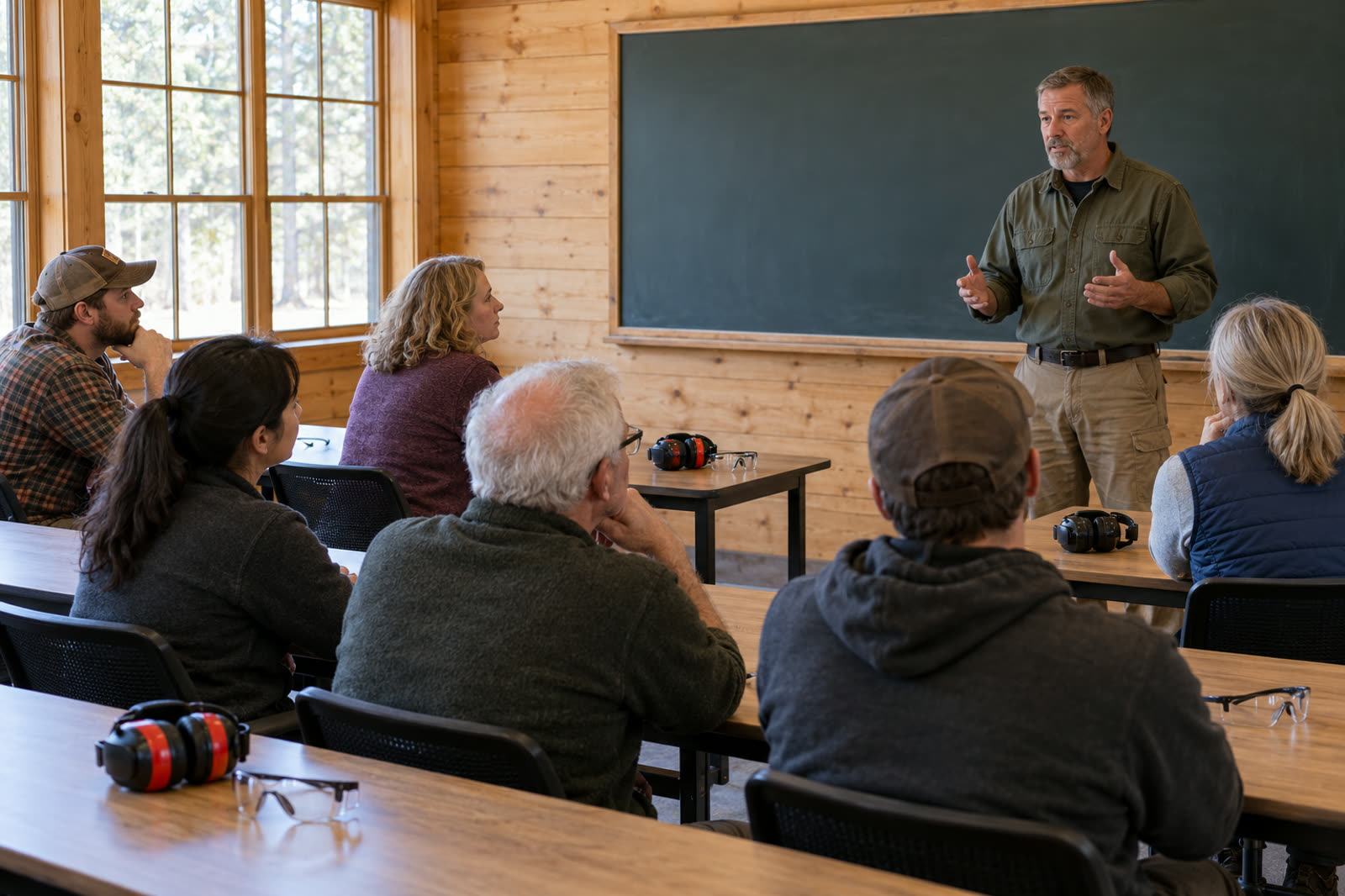
Self-practice reinforces whatever you already do, including mistakes you cannot see. A qualified instructor can spot and correct problems in minutes that might otherwise take months to overcome. Many carriers take at least one class every year or two, progressing from fundamentals to topics like drawing from concealment, moving and shooting, low-light skills and decision-making scenarios.
Train the whole picture
Personal protection is about much more than marksmanship. A well-rounded training plan also includes:
- Legal knowledge. The laws on the use of force are complex and vary by state. A class taught by a qualified legal professional or experienced instructor is valuable, and the material deserves periodic review.
- Medical skills. A bleeding-control or first aid course may be the most useful training many people ever take, for accidents and emergencies of every kind.
- Awareness and avoidance. Recognizing and avoiding trouble remains the most important protective skill.
- Decision-making. Scenario-based training helps you practice judgment, including when not to act.
Measure honestly, progress gradually
It is tempting to push speed before accuracy is solid, or to judge a session by how it felt rather than by results. Resist both. Use the same simple drill at the same distance over many sessions so you can compare results fairly, and only add speed or difficulty once accuracy is consistent. Plateaus are normal. When progress stalls, that is often the best moment to book time with an instructor rather than simply shooting more.
Practice the gear you carry
Practice with the same handgun, holster, belt and type of clothing you actually carry. A draw from an open range holster with no cover garment is a different skill from drawing from concealment under a jacket. Where your range permits it and you have been trained to do so, include your real carry setup.
Key takeaways
- Follow the universal safety rules in every session, at the range and at home.
- Short, frequent, planned sessions beat long, aimless ones. Keep a training log.
- Dry practice is powerful but requires strict safety discipline.
- Round out marksmanship with legal knowledge, medical skills and decision-making training.
This article is general information, not legal advice. Laws vary by state and change over time, so check your state’s current rules with the appropriate official sources, and consult a qualified attorney about your specific situation. Home Guard Journal may receive compensation from partners featured on this site; see our Advertising Disclosure.