Thinking in Layers: A Practical Approach to Home Security
No single lock, light or camera keeps a home safe. Layers do, from the curb to the bedroom door.
Security professionals rarely talk about a single device that makes a home safe. They talk about layers. Each layer, from the edge of your property to the room where your family sleeps, makes it a little harder for someone to approach unseen, get in quietly or stay long. No individual layer is perfect, but together they discourage most people from trying and buy you time and warning if someone does.
Here is a practical, room-by-room way to think about the layers of your own home, most of which cost little or nothing.
Layer one: the approach
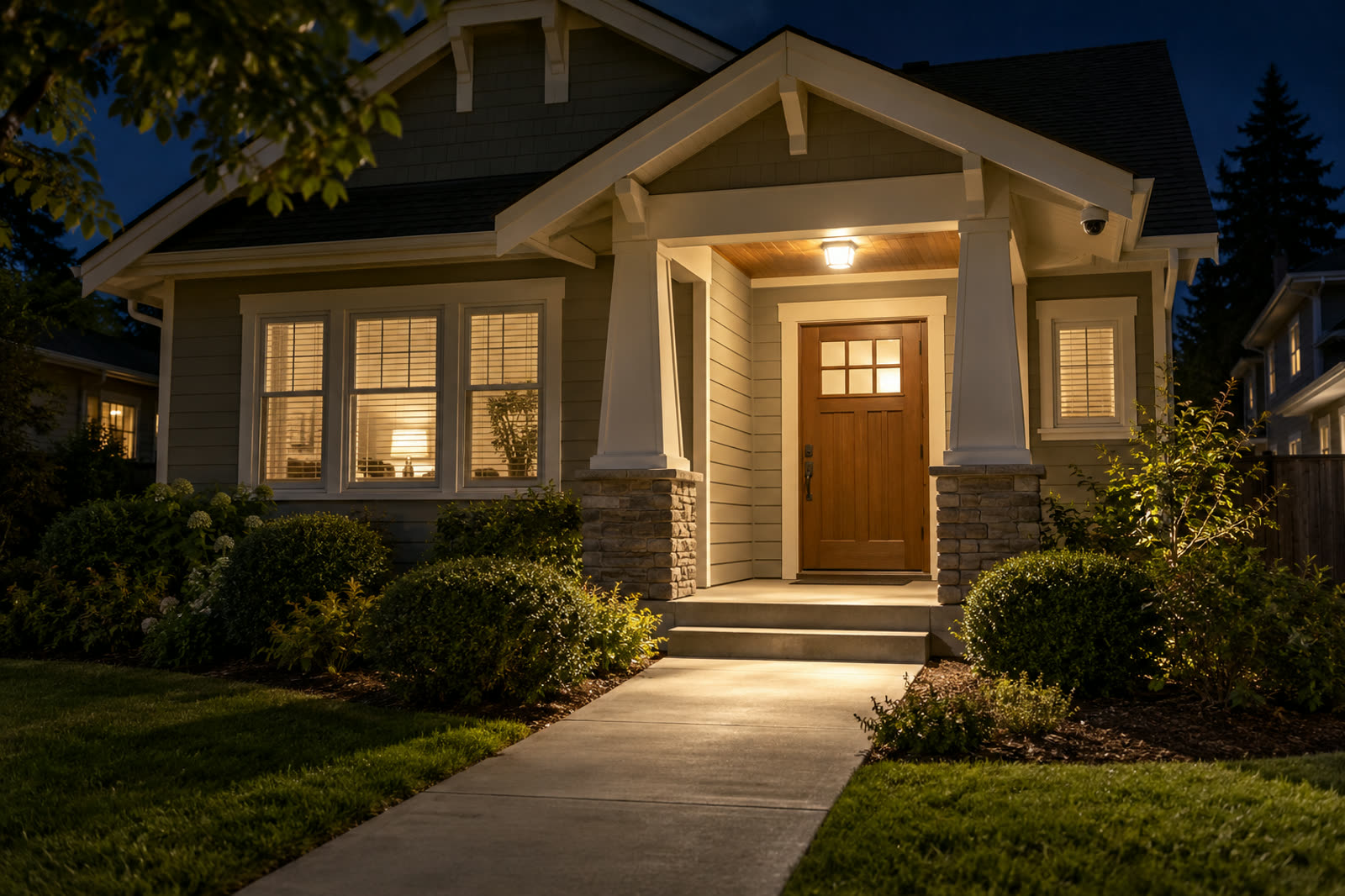
The outermost layer is about what a person sees as they approach your home. A house that looks occupied, well kept and visible from the street is generally a less appealing target than one that offers concealment.
- Lighting. Light the entrances, the driveway and the walkways. Motion-activated fixtures are inexpensive and draw attention to movement.
- Sightlines. Trim shrubs below window height and cut back trees that hide doors or provide easy access to upper floors.
- Signs of occupancy. Collect mail and packages promptly. When you travel, have a neighbor help, and use timers on interior lights.
- Clear boundaries. Fences, gates and even well-defined garden edges signal that a space is cared for and watched.
Layer two: doors and windows
Most forced entries happen through doors and windows, so this layer deserves the most attention and often offers the best return on a modest budget.
Doors
- Solid exterior doors. Exterior doors should be solid wood, solid-core or metal, not hollow-core.
- Quality deadbolts on every exterior door, including the one from the garage into the house.
- Reinforced strike plates. The weakest point is often the door frame, not the lock. Replacing short strike-plate and hinge screws with longer screws that reach the wall framing is one of the most effective inexpensive upgrades many homeowners can make.
- Sliding doors. Add a bar or dowel in the track and consider secondary locks.
- A wide-angle viewer or camera so you can see who is outside without opening the door.
Windows
Make sure every window latch works, add secondary locks or pins where needed, and pay special attention to ground-floor and basement windows that are hidden from view. Keep emergency escape in mind: bedroom windows must still open easily from inside in case of fire.
Layer three: detection
Detection tells you, and possibly others, that something is wrong. Options range from simple to sophisticated:
- Alarm systems, monitored professionally or self-monitored through a phone app. Door and window sensors, glass-break sensors and motion detectors can all be part of a system.
- Cameras and video doorbells, which help both as a deterrent and as a record. Position them to cover entrances, and protect the accounts that control them with strong passwords and two-factor authentication.
- Dogs, which many families value as both companions and alert systems.
- Neighbors. People who know you and notice when something seems off are among the best detection systems there is.
Whatever you choose, use it. An alarm that is rarely armed, or a camera with a dead battery, is decoration.
Layer four: the inside plan
The innermost layer is a plan for what your family will do if someone gets in. Plans differ from family to family, but they often share these elements:
- A safe room. Usually a bedroom with a solid-core door, a good lock and a phone that can reach emergency services.
- A gathering plan. Decide in advance how family members will get to the safe room, or who will go to the children’s rooms.
- Communication. Keep a charged phone in the bedroom at night. Know your address well enough to say it calmly to a dispatcher.
- Stay put and call for help. Many safety professionals advise staying in a secured room and waiting for law enforcement rather than searching the house.
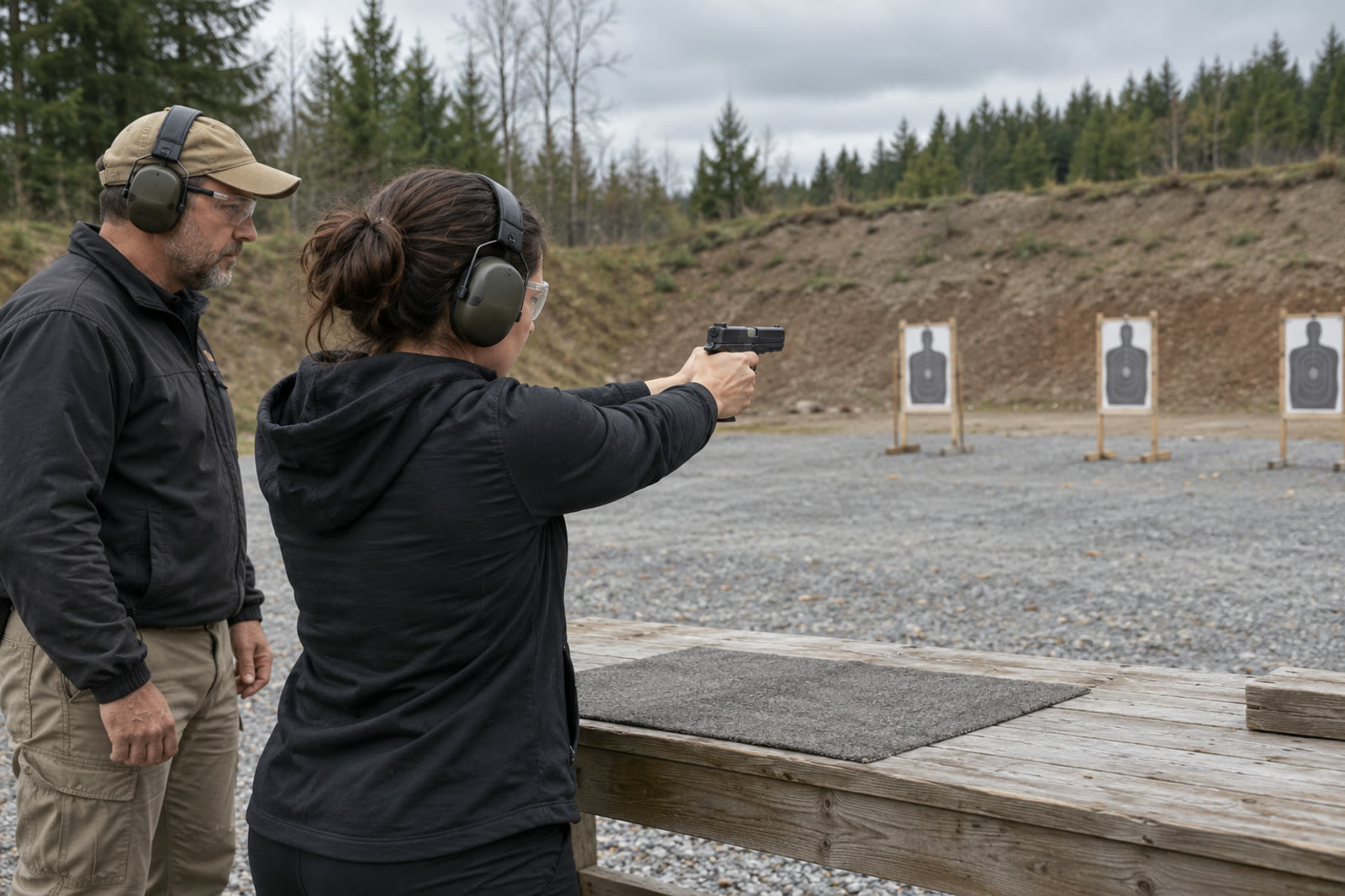
If a firearm is part of your home protection plan, the plan must also include secure storage, training and a clear understanding of your state’s laws on the use of force. Those laws vary and are complex, so consider professional instruction that covers them.
Layer zero: everyday habits
Underneath every layer are habits, and they are often what fails. Lock doors even when you are home and during the day. Close the garage door. Don’t leave spare keys in obvious places. Be careful about posting travel plans on social media while you are away. Teach every member of the household the same habits so security does not depend on one person.
Start with a walk-around
The best first step costs nothing: walk around your home, outside and in, at night, and look at it as a stranger would. Which doors are hidden? Which windows are easy to reach? Where is it dark? Make a short list, fix the easiest items first and work your way up. Security improves through small, steady changes.
Key takeaways
- Think in layers: the approach, doors and windows, detection and an inside plan.
- Lighting, trimmed landscaping and reinforced door frames are inexpensive, high-value upgrades.
- Detection only works if you use it consistently and keep it maintained.
- Have a simple family plan for what to do if someone enters, and practice it.
This article is general information, not legal advice. Laws vary by state and change over time, so check your state’s current rules with the appropriate official sources, and consult a qualified attorney about your specific situation. Home Guard Journal may receive compensation from partners featured on this site; see our Advertising Disclosure.