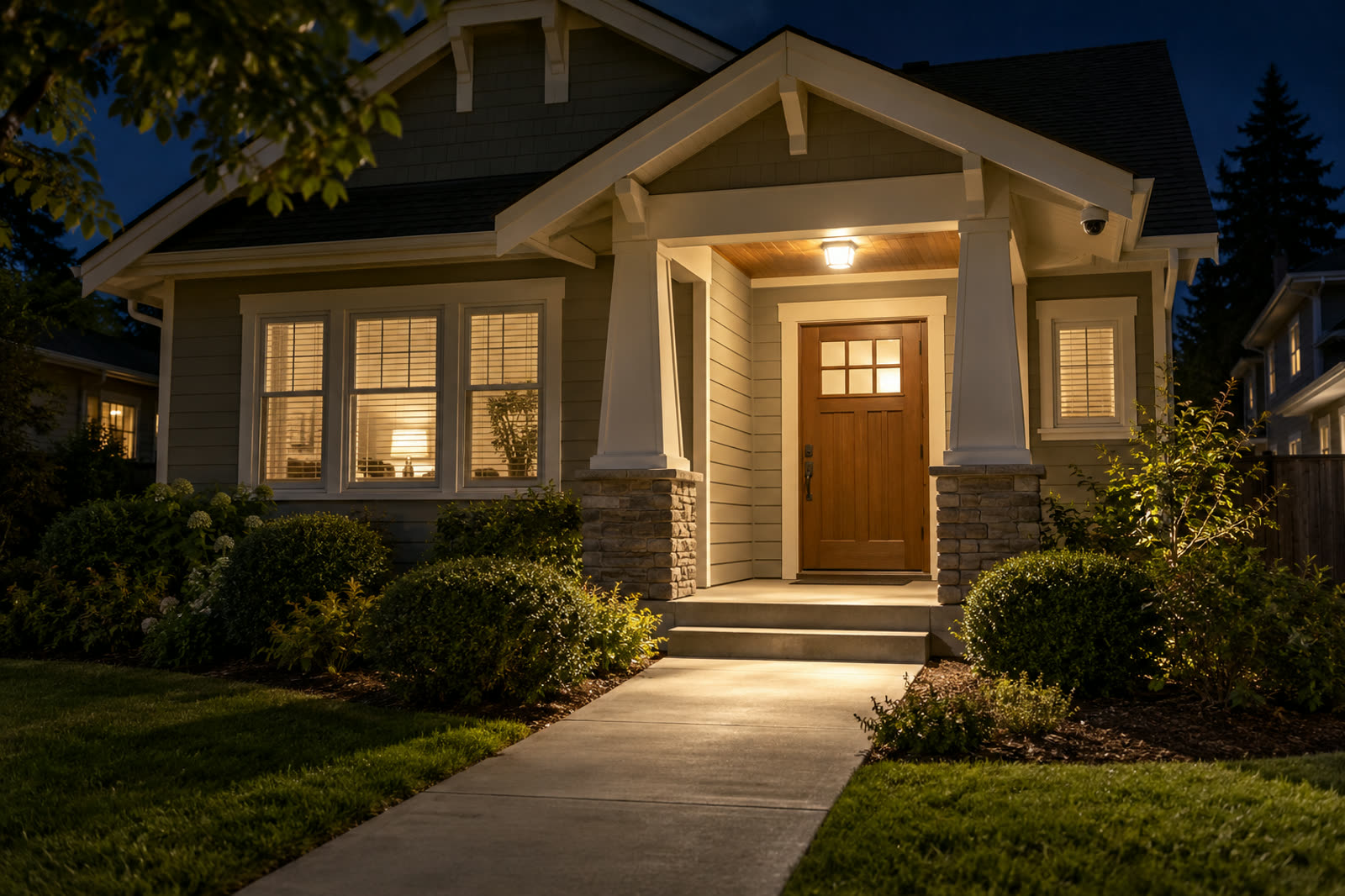
Safe Storage in a Home With Children
Locked, unloaded and out of reach is the foundation. Here is how responsible families build on it, from toddlers to teenagers.
Every responsible gun owner with children in the home, or children who visit, faces the same question: how do I keep firearms secure from curious hands while still being able to use them for protection? It is a serious question, and it deserves a serious answer. The good news is that the core principles are simple, and the tools to follow them are widely available.
The foundation: locked, unloaded and separate
Safety organizations and firearms instructors broadly agree on a baseline for homes with children:
- Store firearms locked in a safe, lockbox or other secure container, or secured with a locking device.
- Store them unloaded unless they are in a quick-access container designed for that purpose and under your control.
- Store ammunition separately and also secured.
- Control the keys and codes. A lock is only as good as the secrecy of its combination or the location of its key.
Hiding a firearm, on a high shelf, in a sock drawer or under a mattress, is not the same as securing it. Children are resourceful and persistent, and they tend to know a home’s hiding places better than adults assume.
Choosing storage equipment
Full-size safes
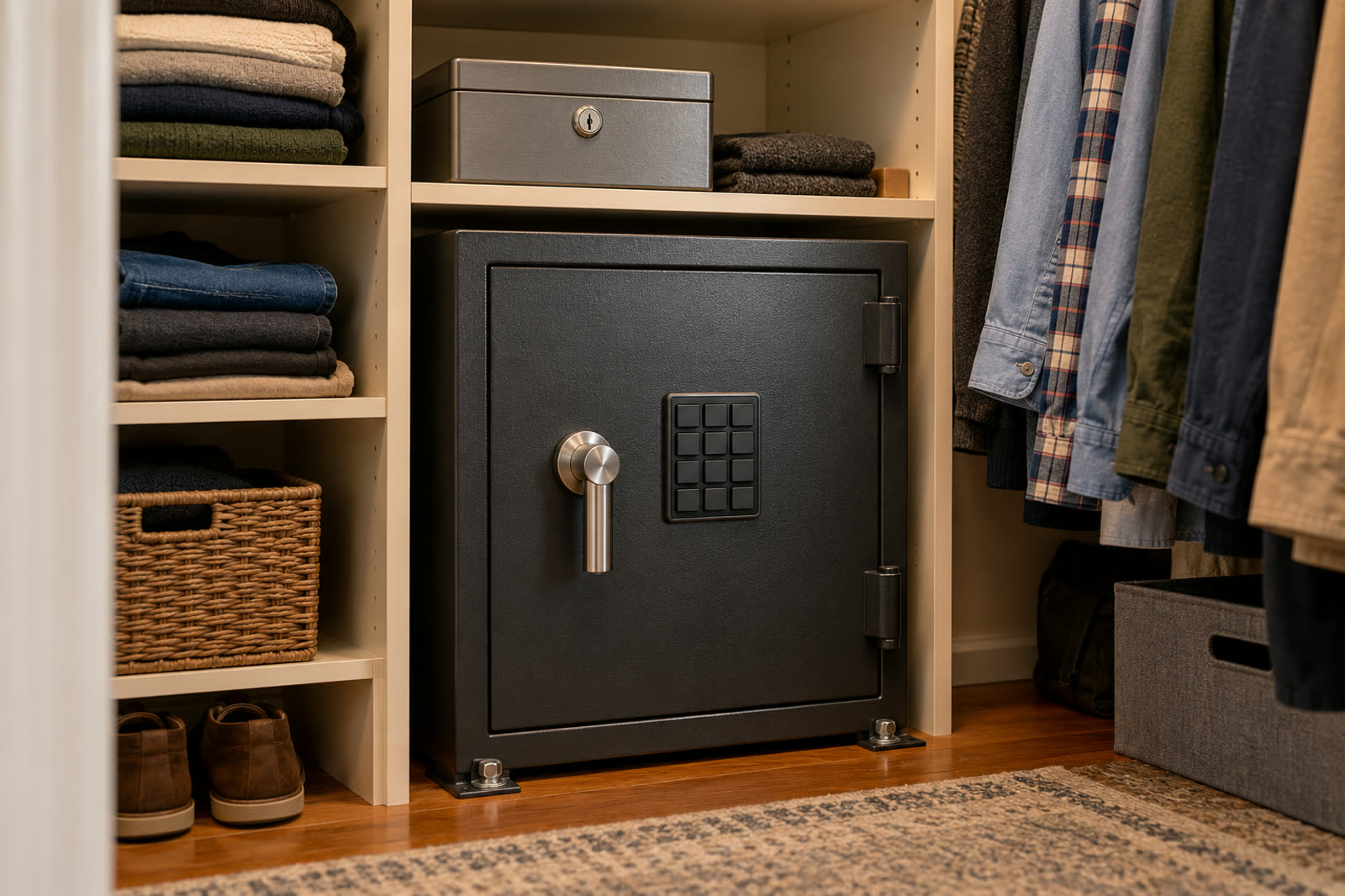
A heavy safe, ideally bolted to the floor or a wall, offers the strongest protection against children, theft and, depending on the model, fire. It is the right choice for storing multiple firearms long term.
Quick-access lockboxes
Smaller boxes with keypad, mechanical or biometric locks are designed to open rapidly for the authorized user while staying closed to everyone else. They are common for a handgun kept for home protection. Choose a sturdy steel box that can be secured to furniture or the structure of the house, and test the opening method often so you know it works under stress.
Locking devices
Cable locks and trigger locks are inexpensive and are often provided with new firearms. They prevent firing, but a firearm secured only with a cable lock can still be carried off. They work best as an additional layer or for firearms that are not kept for immediate use.
Vehicle storage
If you carry, plan for moments when you must leave a firearm in a vehicle. A lockbox secured to the vehicle, out of sight, is far better than a glovebox or a seat. Check your state’s rules about vehicle storage.
The moments that matter most
Storage failures rarely happen because a family had no safe. They happen in the moments in between:
- Coming home and setting a handgun on the nightstand “for a minute”.
- Taking off a holster and leaving it on a dresser.
- Cleaning a firearm and stepping away to answer the door.
- Guests or relatives with firearms in an unsecured bag.
Build routines that cover these moments. Put the lockbox where you take off your holster. Clean firearms only when you can finish without interruption. And, kindly but firmly, ask houseguests to secure their firearms while visiting.
Talking with children by age
Young children
For young children, the message should be short and repeated often. Many safety programs teach a version of: if you see a gun, don’t touch it, leave the area and tell an adult right away. Practice it like a fire drill. Praise them for following it, without making the topic frightening.
Older children
As children grow, curiosity grows too. Many families find that demystifying firearms helps: answering questions honestly, explaining safety rules and, when the parents feel the child is ready, supervised instruction. Curiosity that is satisfied safely is less likely to be satisfied secretly.
Teenagers
For teenagers, secure storage remains essential regardless of how much training they have. Adolescence can bring emotional crises that adults do not always see. Many safety experts note that keeping firearms secured is an important protective step during difficult times, and that temporary storage outside the home is an option worth considering if a family member is going through a crisis.
When your children visit other homes
It is reasonable, and increasingly common, to ask other parents whether there are firearms in their home and how they are stored, just as you might ask about pets, pools or allergies. Ask simply and without judgment: “Before the kids play at your place, can I ask whether there are firearms in the house and how they’re stored?” Most responsible owners appreciate the question.
Know your state’s rules
Many states have laws about storing firearms where children could access them, sometimes called child access prevention laws. Requirements and penalties vary, so check your state’s current rules. But treat the law as the minimum. The goal is not just to stay within the law; it is to make sure an accident never happens in your home.
Review your setup regularly
Children grow taller, smarter and more capable every year. Revisit your storage at least once a year, and whenever something changes: a new baby, a move, a child who just learned to climb, a teenager with a new set of friends. Change combinations if you suspect anyone has learned them, and check batteries in electronic locks.
Key takeaways
- Store firearms locked and unloaded, with ammunition secured separately. Hiding is not securing.
- Match the equipment to the need: safes for long-term storage, quick-access lockboxes for home protection.
- Build routines for the in-between moments, when most failures happen.
- Talk with children in age-appropriate ways, and ask about storage in homes they visit.
This article is general information, not legal advice. Laws vary by state and change over time, so check your state’s current rules with the appropriate official sources, and consult a qualified attorney about your specific situation. Home Guard Journal may receive compensation from partners featured on this site; see our Advertising Disclosure.